
Italian wines occupy a special place in my heart. My first aisle assignment when I was called up to the flagship Spec’s almost a decade ago was Italy. The first trip I took with the company was through Franciacorta and Tuscany with Terra Moretti (they mercifully put us up here for a few days – not too shabby). I’ve been in the bag for the country and its most precious export for a long time.
Unfortunately I don’t have many opportunities these days to taste wines from outside the categories I manage, so once in a while I have to consciously schedule time to revisit some of my favorite regions and producers. With a global pandemic forcing many of us to self-quarantine for the foreseeable future, I figured this would be an apropos time to re-familiarize myself with the most diverse wine-producing country in the world by opening a bottle or two (this is, after all, me working at home).
Vietti is a significant producer to know in the Italian viticulture ecosystem. They craft outstanding wines and have been at the center of some major wine-related inflection points/innovations in Piedmont’s history (most notably they were one of the first wineries to bottle a single-vineyard wine in Barolo). But what makes them special is that unlike many of their similarly prestigious counterparts, their wines are accessibly priced AND readily available – not always common among Piedmont producers these days.
There are 18 assorted bottlings in the Vietti range, including six Barolos. Five of those are single-vineyard wines – Rocche di Castiglione (the aforementioned trailblazer), Lazzarito, Brunate, Ravera and the Riserva Villero – while the Castiglione is made with fruit from an assortment of vineyards throughout the region. Grapes are picked from vines up to 40+ years-old and vinified and aged individually by cru, with blending taking place just before bottling.
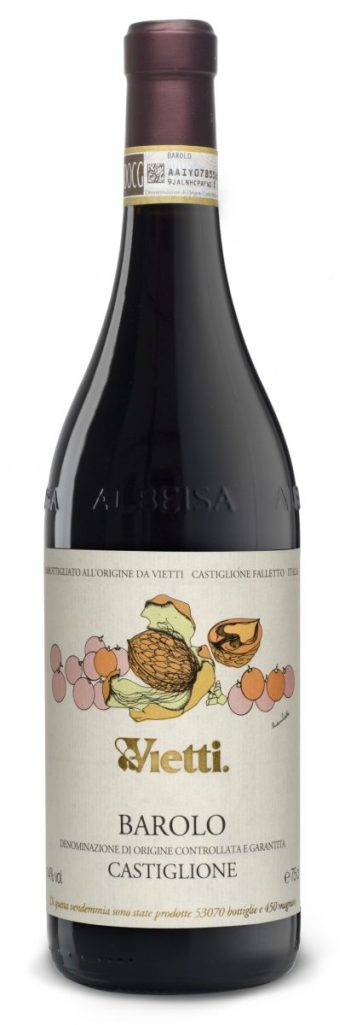
Barolos from the very good 2008 vintage had the misfortune of showing up in the market on the heels of the more-heralded 2006s and 2007s (consumer fatigue tends to set in when it seems as though runs of “great” years are abundant) and around the same time the buzz for 2010s had begun to reach a fever pitch (Barolos do not arrive immediately to market, as they are required by law to be aged a minimum of 38 months). The 2008 vintage was a cool one that produced more “classic” wines across the board, and the Vietti Castiglione was no exception – very floral and elegant, with integrated tannin and acid structure having softened out considerably over the course of ageing. I found a slight development to the wine, but the primary red fruit (cherry) characteristics were still ripe and center-stage. Still young, lots of life ahead of it.
Plenty of smart restaurants should have representation from some producer of this overlooked value vintage on their lists (which they would love for you to come buy once things return to some semblance of normal). If the goal is to purchase retail and hold, however, where 2008s are harder to come by, pick up some 2013s (another cool vintage but with PERFECT growing conditions) and have a little patience – you’ll be amply rewarded in a few years.
But for the time at hand, if the stars have aligned and you find yourself trapped indoors with beverage options these next few weeks, consider showing some deference to the country that spawned three successful generations of Corleones (Mary was a disgrace but Anthony panned out) by having a drink to your health.
From the Wine Advocate: “The 2008 Barolo Castiglione is striking. Sweet red berries freshly cut flowers spices and mint are some of the many nuances that flow from this impeccable mid-weight Barolo. The 2008 Castiglione impresses for its exceptional balance polished finish and sheer beauty. This is a feminine Castiglione graced with exquisite class. With time in the glass the wine fleshes out beautifully. Once again the Castiglione delivers incredible value. In 2008 Vietti did not make their Villero Riserva instead that juice went into the Castiglione. Anticipated maturity: 2016-2028, 92 points.”
 Free Run